Cardiovascular disease remains the leading cause of death worldwide, responsible for an estimated 17.9 million deaths each year—approximately 31% of global mortality. Despite major advances in guideline-directed medical therapy, many patients continue to experience persistent symptoms such as hypertension, arrhythmias, angina, fatigue, and reduced quality of life.
Interest has therefore grown in safe, low-risk therapies that can complement conventional care. Acupuncture is increasingly explored within integrative medicine as one option for supporting cardiovascular regulation and overall well-being.
Looking Beyond the Heart Alone
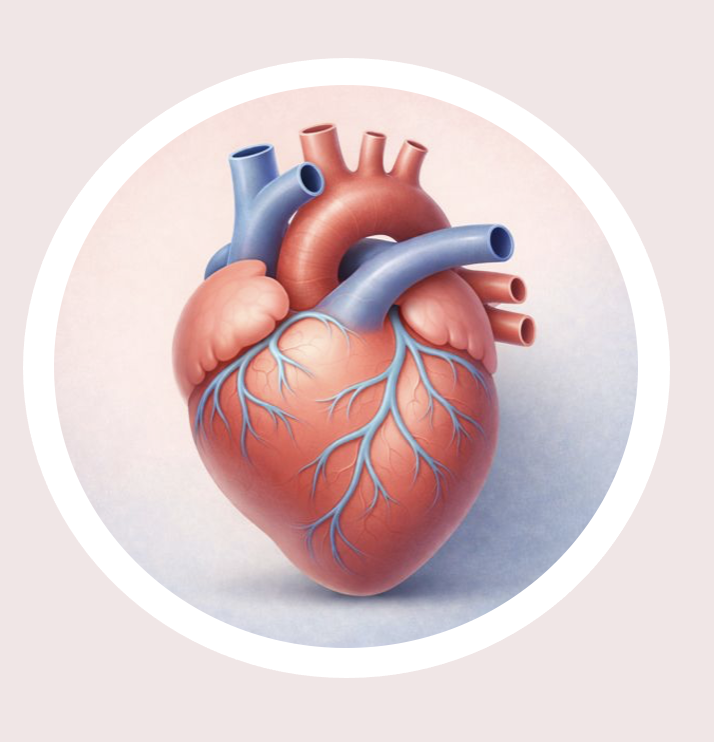
Heart health is often framed around cholesterol, blood pressure, exercise, and diet — all essential foundations. Yet cardiovascular function is continuously influenced by broader physiological systems, including nervous system balance, sleep quality, stress load, inflammation, and emotional health.
Chinese medicine approaches cardiovascular care through this systems-based perspective. Rather than viewing the heart in isolation, treatment focuses on supporting the regulatory networks that shape how the cardiovascular system adapts to daily demands.
How Acupuncture Influences Cardiovascular Physiology
Research suggests acupuncture may influence cardiovascular health through several interconnected mechanisms that affect vascular tone, circulation, and nervous system balance.
- Autonomic nervous system regulation
Acupuncture may help reduce sympathetic (“fight-or-flight”) overactivity while increasing parasympathetic (“rest-and-repair”) tone. This shift supports vascular relaxation, heart rate variability, and overall cardiovascular resilience. - Central nervous system signaling
Stimulation of acupuncture points influences brain regions involved in cardiovascular regulation, including the brainstem and hypothalamus—key centers for autonomic control. - Neurotransmitter and endogenous opioid modulation
Acupuncture has been shown to affect monoamines and endogenous opioids that play roles in pain perception, stress response, mood regulation, and autonomic balance. - Local and systemic circulatory effects
Research suggests acupuncture may improve endothelial function and promote vasodilation, supporting blood flow at both macrovascular and microvascular levels.
Acupuncture & Coronary Blood Flow
Coronary circulation supplies oxygen and nutrients to the heart muscle itself. Reduced flow contributes to ischemia, angina, and tissue injury.
By supporting autonomic balance and vascular responsiveness, acupuncture may help coronary vessels adapt more effectively to physiological demand. Clinical literature has associated acupuncture with improved microcirculation, enhanced coronary flow reserve, and reduced angina frequency when used alongside standard cardiac care.
These findings highlight how neurological regulation and vascular dynamics work together rather than independently.
Beyond Blood Flow: Other Cardiovascular Risk Factors Acupuncture May Support
Sleep & Insomnia
Poor sleep is independently associated with hypertension, arrhythmias, insulin resistance, and inflammation. Acupuncture has been shown to support sleep efficiency and parasympathetic activity, which may indirectly benefit cardiovascular health.
Stress, Anxiety & Depression
Mood disorders are recognized independent risk factors for cardiovascular morbidity and mortality. Acupuncture may help reduce sympathetic overactivation, support emotional regulation, and modulate neurotransmitters involved in the stress response.
Metabolic Health & Blood Sugar Regulation
Acupuncture has been associated with improved insulin sensitivity and glycemic control, acting through autonomic and hypothalamic-pituitary pathways that influence metabolic health.
Inflammation
Chronic low-grade inflammation contributes to endothelial dysfunction and vascular disease. Research suggests acupuncture may help reduce systemic inflammation and support vascular health.
Important Clinical Context
Acupuncture is not a replacement for cardiology care or medications. It should be viewed as a complementary therapy, used alongside guideline-directed medical treatment.
For appropriate patients, acupuncture may be considered as adjunctive support for:
- Stable angina
- Stress-related ischemia
- Autonomic dysregulation
- Sleep disturbances
- Anxiety or depression affecting cardiovascular health
Integrative Heart Care at the Acupuncture Clinic of Boulder
At the Acupuncture Clinic of Boulder, we work collaboratively with patients and their healthcare providers to support cardiovascular health through nervous system regulation, circulation support, stress reduction, and whole-person care.
If you’re curious whether acupuncture may be appropriate as part of your cardiovascular care plan, we’re always happy to talk.