
Discover how the NADA ear acupuncture protocol may provide complementary support for stress management, relaxation, and well-being during addiction recovery.
Making a fresh start can be both exciting and challenging. Whether the goal is to quit smoking, reduce alcohol consumption, overcome substance dependence, or develop healthier coping habits, meaningful change takes commitment, patience, and support.
For individuals struggling with addiction, cravings and withdrawal symptoms can make recovery especially difficult. Stress, anxiety, disrupted sleep, and emotional challenges may add to the experience.
Acupuncture for addiction recovery offers a complementary approach that may support relaxation and emotional well-being while individuals work toward healthier habits.
At the Acupuncture Clinic of Boulder, we recognize that recovery is a personal journey. Our goal is to provide compassionate, individualized care that supports patients as they work toward meaningful changes in their health and well-being.

“Anything worth doing is worth overdoing.” ― Mick Jagger
Understanding Addiction, Cravings, and Recovery
Addiction is a complex health condition that affects the brain, behavior, and overall well-being.
Substance use can influence brain pathways involved in reward, motivation, learning, and stress.
Over time, repeated exposure to addictive substances can contribute to dependence and make it difficult to stop using them, even when an individual wants to make a change.
Common challenges during recovery may include:
-
Intense cravings
-
Anxiety and irritability
-
Difficulty sleeping
-
Restlessness and physical discomfort
-
Mood changes
-
Stress and emotional overwhelm
-
Difficulty concentrating
Withdrawal symptoms vary depending on the substance, duration of use, and individual health circumstances.
Some forms of withdrawal, particularly from alcohol or benzodiazepines, can be medically dangerous and require professional supervision.
A comprehensive recovery plan may include medical treatment, behavioral therapy, peer support, and other evidence-based approaches.
Complementary practices such as acupuncture may also be considered to support relaxation and overall well-being.
What Is the NADA Acupuncture Protocol?
The NADA protocol, developed in the 1970s at Lincoln Hospital in the South Bronx, New York, is a standardized form of ear acupuncture traditionally used in addiction recovery settings.
NADA stands for the National Acupuncture Detoxification Association.
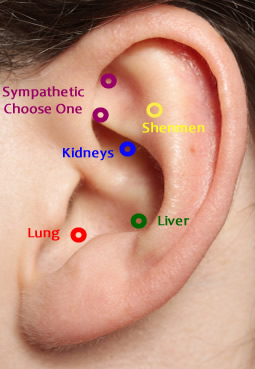
The protocol involves the placement of five small, sterile acupuncture needles into specific points on each ear.
Unlike individualized body acupuncture treatments, the NADA protocol follows a consistent five-point approach.
It has been incorporated into a variety of addiction recovery, behavioral health, and community wellness programs.
How Does NADA Ear Acupuncture Support Recovery?
The NADA protocol is traditionally used with the intention of encouraging calmness, relaxation, and emotional balance.
Patients may seek NADA treatments as complementary support for:
-
Stress and anxiety during recovery
-
Relaxation and emotional well-being
-
Sleep difficulties
-
Managing the discomfort associated with behavioral change
-
Developing consistent self-care routines
Some patients report feeling calmer and more centered after treatment.
The Five NADA Ear Acupuncture Points
The NADA protocol uses five specific points on the outer ear.
Each point has traditional associations within Chinese medicine.
1. Sympathetic Point — Relaxation and Balance
The Sympathetic point is traditionally used to encourage relaxation and support balance within the body’s stress response.
In some Traditional Chinese Medicine interpretations, it is associated with the Earth element.
2. Shen Men — Calmness and Emotional Well-Being
Shen Men, often translated as Spirit Gate, is one of the most commonly used ear acupuncture points.
It is traditionally associated with calming the mind, emotional balance, and relaxation.
Shen Men is sometimes connected with the Heart and Fire element in Chinese medical theory.
3. Kidney Point — Restoration and Resilience
The Kidney point is traditionally associated with the Water element.
In Chinese medicine, the Kidney system is connected with vitality, resilience, and the emotion of fear.
This point is commonly included in treatments intended to support restoration and overall balance.
4. Lung Point — Breathing and Letting Go
The Lung point is associated with the Metal element.
Traditional Chinese Medicine connects the Lungs with breathing, grief, and the ability to release what is no longer needed.
This symbolic connection can be especially meaningful for individuals navigating emotional transitions during recovery.
5. Liver Point — Emotional Regulation and Balance
The Liver point is traditionally associated with the Wood element.
In Chinese medical theory, the Liver system is connected with the smooth movement of Qi, emotional regulation, and the expression of frustration or anger.
The point is used within the NADA protocol as part of its traditional approach to restoring balance.
These descriptions reflect traditional Chinese medicine theory and are not established physiological effects of the individual ear points.
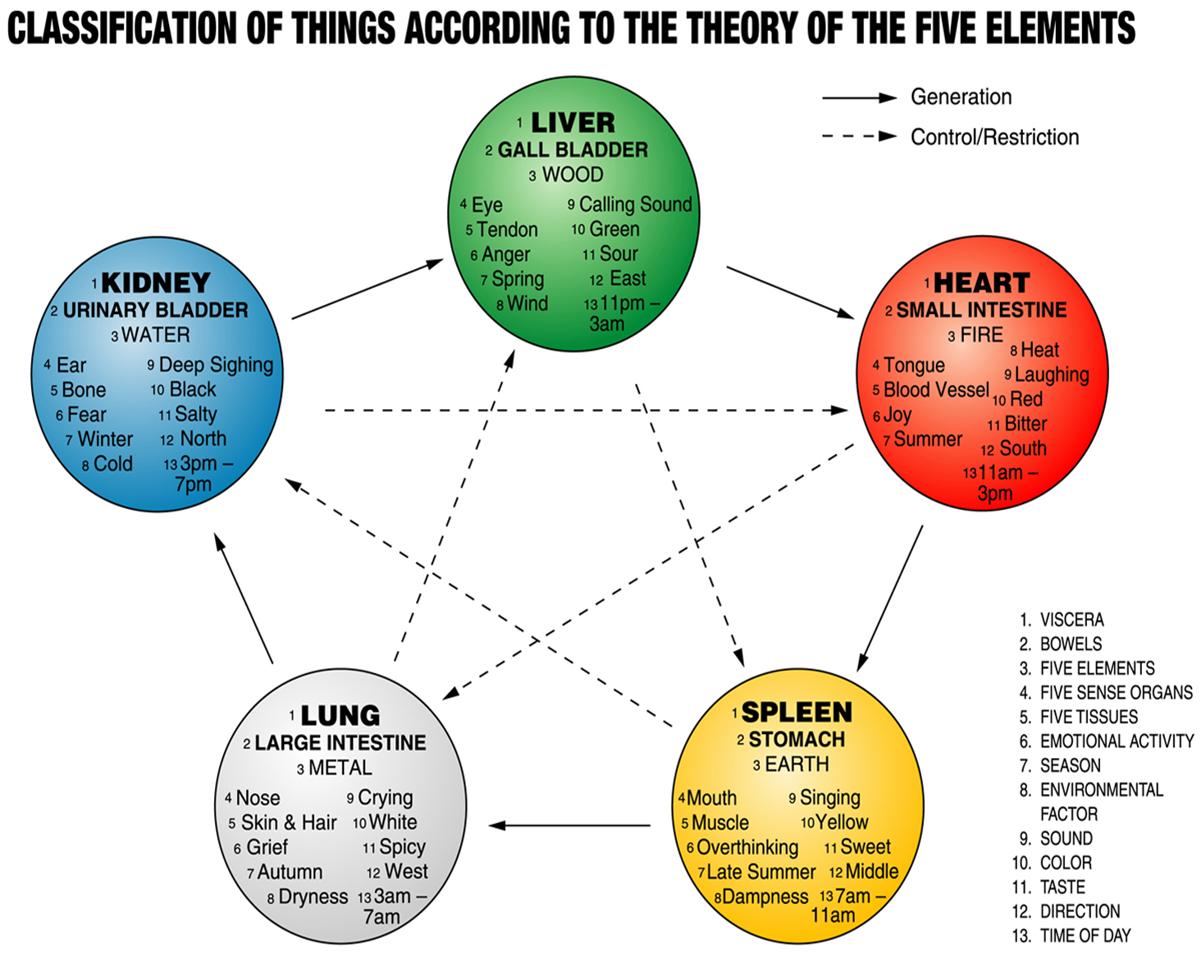
The NADA Protocol and the Five Elements of Traditional Chinese Medicine
Traditional Chinese Medicine describes five elements, or phases, that represent patterns of change within the body and natural world.
These include:
-
Wood: Spring, Liver, growth, and movement
-
Fire: Summer, Heart, warmth, and connection
-
Earth: Late summer, Spleen, nourishment, and stability
-
Metal: Autumn, Lung, reflection, and letting go
-
Water: Winter, Kidney, rest, and restoration
Each element is traditionally associated with particular organs, emotions, seasons, and qualities.
The NADA protocol is sometimes interpreted through this Five Element framework, with its points representing different aspects of balance.
For individuals in recovery, this traditional perspective offers a meaningful reminder that healing involves physical, emotional, and behavioral changes.
Acupuncture for Nicotine Cravings and Smoking Cessation
Nicotine dependence is one of the most common forms of addiction.
Individuals attempting to quit smoking or vaping may experience irritability, anxiety, difficulty concentrating, sleep disturbances, and strong cravings.
At the Acupuncture Clinic of Boulder, acupuncture may be incorporated as a complementary wellness practice for patients navigating nicotine cessation.
Treatment may focus on relaxation, stress management, and associated physical discomfort.
Although some patients report feeling calmer after acupuncture, research has not conclusively demonstrated that acupuncture improves long-term smoking or vaping cessation rates.
Evidence-based cessation approaches, including behavioral counseling and appropriate medications, remain important tools for successfully quitting nicotine.
Acupuncture for Stress and Emotional Well-Being During Recovery
Recovery often involves more than stopping the use of a substance.
Individuals may also be learning to manage stress, establish healthy routines, improve relationships, and develop new coping strategies.
Stress can be a significant challenge during recovery, making supportive wellness practices particularly valuable.
Acupuncture provides a quiet environment where patients can rest, practice mindful breathing, and focus on their physical and emotional well-being.
Many patients describe feeling relaxed after acupuncture treatments.
For some individuals, incorporating acupuncture into a regular self-care routine may provide a meaningful opportunity to pause and reconnect with their recovery goals.
A Whole-Person Approach to Addiction Recovery in Boulder
At the Acupuncture Clinic of Boulder, we believe that individuals working toward recovery deserve compassionate, nonjudgmental support.
Our licensed acupuncturists consider each patient’s symptoms, health history, and wellness goals when developing an individualized treatment plan.
Depending on individual needs, acupuncture care may focus on:
-
Encouraging relaxation
-
Managing stress and physical tension
-
Supporting sleep-related wellness
-
Addressing associated discomfort
-
Promoting mindfulness and self-care
-
Supporting overall emotional well-being
Acupuncture can be incorporated alongside medical care, counseling, peer recovery programs, and other established addiction treatments.
Creating a Fresh Start: Building Healthier Habits
A fresh start doesn’t have to begin on January 1.
Any day can be an opportunity to reflect on personal goals and begin making positive changes.
For individuals seeking freedom from addictive habits, sustainable progress often begins with small, consistent steps.
Consider reflecting on these questions:
-
What habits are supporting overall health and well-being?
-
What behaviors or patterns would be helpful to change?
-
What situations tend to trigger cravings or stress?
-
Which supportive people and resources can help during difficult moments?
-
What healthy activities provide a sense of joy, calm, or accomplishment?
Recovery is not always a straight path. Progress may involve setbacks, adjustments, and learning new ways to respond to challenges.
Building a strong support system and seeking appropriate professional care can make an important difference.
Find Supportive Acupuncture Care in Boulder, Colorado
At the Acupuncture Clinic of Boulder, we recognize that making meaningful changes in health and lifestyle requires patience, encouragement, and support.
Whether you’re working toward quitting smoking, navigating stress during recovery, or looking for complementary wellness care, acupuncture may offer an additional opportunity for relaxation and self-care.
Our goal is to provide a welcoming environment where patients feel supported as they work toward their individual health goals.
A fresh start begins with one step.
Contact the Acupuncture Clinic of Boulder to learn more about our individualized acupuncture treatments and the NADA ear acupuncture protocol.
Acupuncture Clinic of Boulder
2500 Arapahoe Avenue, Suite 290
Boulder, CO 80302
Phone: 303-665-5515
Website: www.acuboulder.com
Resources and Further Reading
National Acupuncture Detoxification Association (NADA)
www.acudetox.com
Substance Abuse and Mental Health Services Administration (SAMHSA)
www.samhsa.gov
Smokefree.gov — Smoking Cessation Resources
www.smokefree.gov
988 Suicide & Crisis Lifeline
www.988lifeline.org