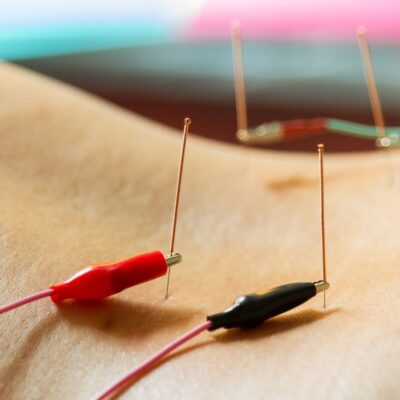
ogs who bring so much joy, companionship, and unconditional love into our lives. And because we’re an acupuncture clinic, we couldn’t resist sharing something pretty fascinating: Acupuncture isn’t just for humans!
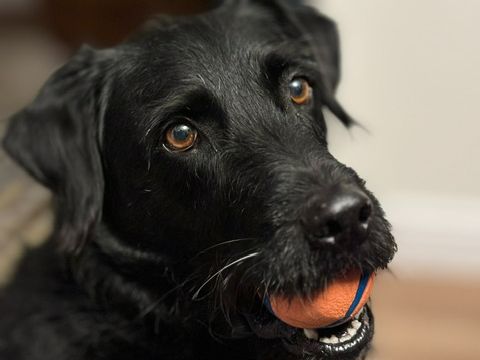
A question we are commonly asked is, “Does acupuncture work.” Our response is “animals don’t lie”. One of the most fascinating things about acupuncture is its use isn’t limited to humans. Animals can receive acupuncture, too, and they don’t walk into a treatment with any expectations about what it should or shouldn’t do.
Veterinary acupuncture has been practiced for thousands of years and is still used today alongside conventional veterinary care. Dogs may receive acupuncture as part of their care for arthritis and joint discomfort, muscle pain and stiffness, mobility issues, injury recovery, neurological conditions, seizures, and overall comfort.
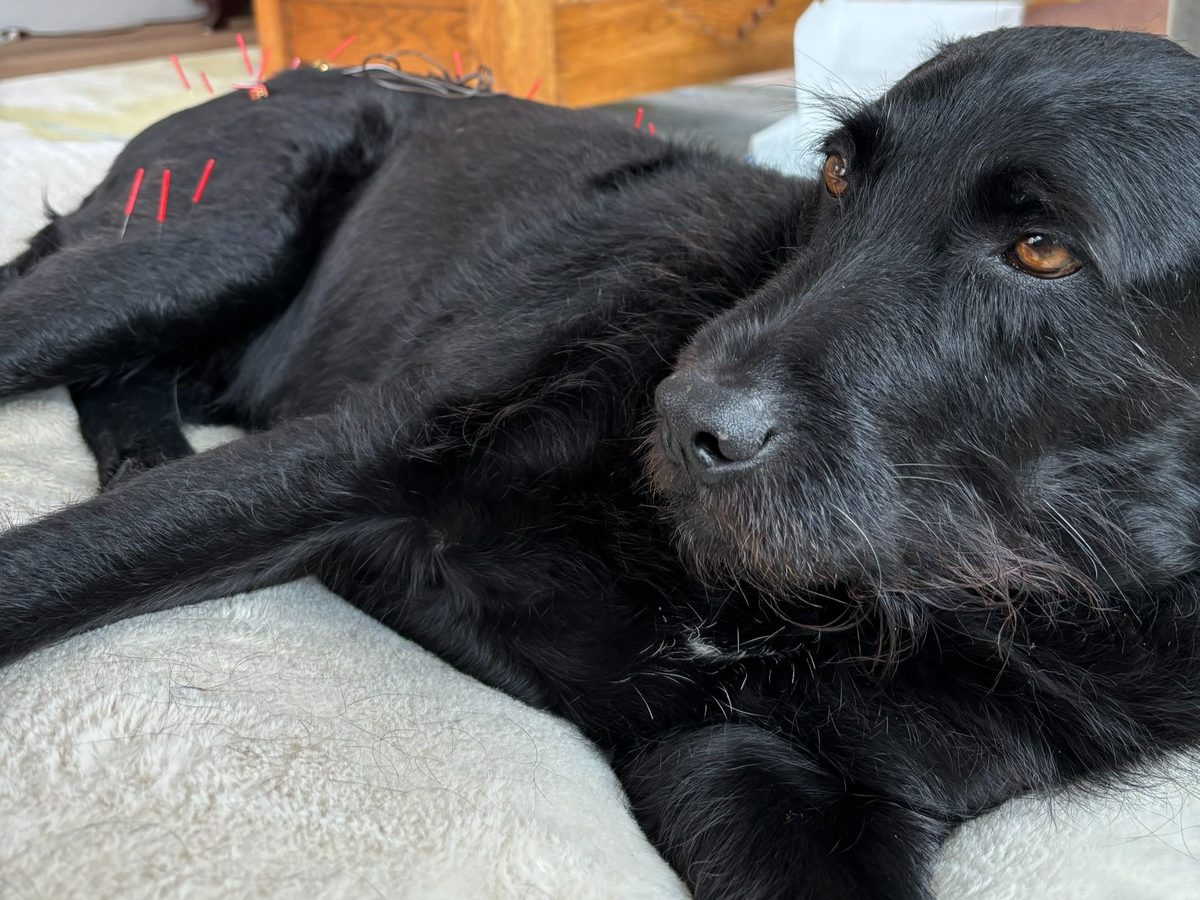
| So, What About Us Humans? Many of the same basic principles that make acupuncture useful in veterinary care are also why people seek acupuncture: managing pain, relaxing tight muscles, supporting mobility, and helping the body regulate and recover. For humans, acupuncture is commonly used as a complementary treatment for concerns such as:Back, neck, and joint painHeadaches and migrainesMuscle tension and sports injuriesStress and sleep concernsDigestive issuesWomen’s health and fertility supportOverall wellness and recovery Want to learn more? The American Animal Hospital Association published a recent article: Acupuncture’s science-based role in modern pain management. There’s something particularly interesting about watching an animal respond to treatment. A dog doesn’t know what acupuncture is, hasn’t read about its benefits, and isn’t trying to convince anyone that they feel better. Sometimes our four-legged friends are a pretty wonderful reminder that acupuncture isn’t just about what we expect to feel, it’s about how the body responds to care. It is easy to see when a dog is suffering. They walk slow with their tail between their legs, and sometimes, they don’t want to go out at all. After a treatment, you may find a dog is more spry, wagging their tail, running to the water, or chasing a ball. Veterinary acupuncture should always be performed by a qualified veterinarian trained in veterinary acupuncture and is not a replacement for appropriate veterinary care. |
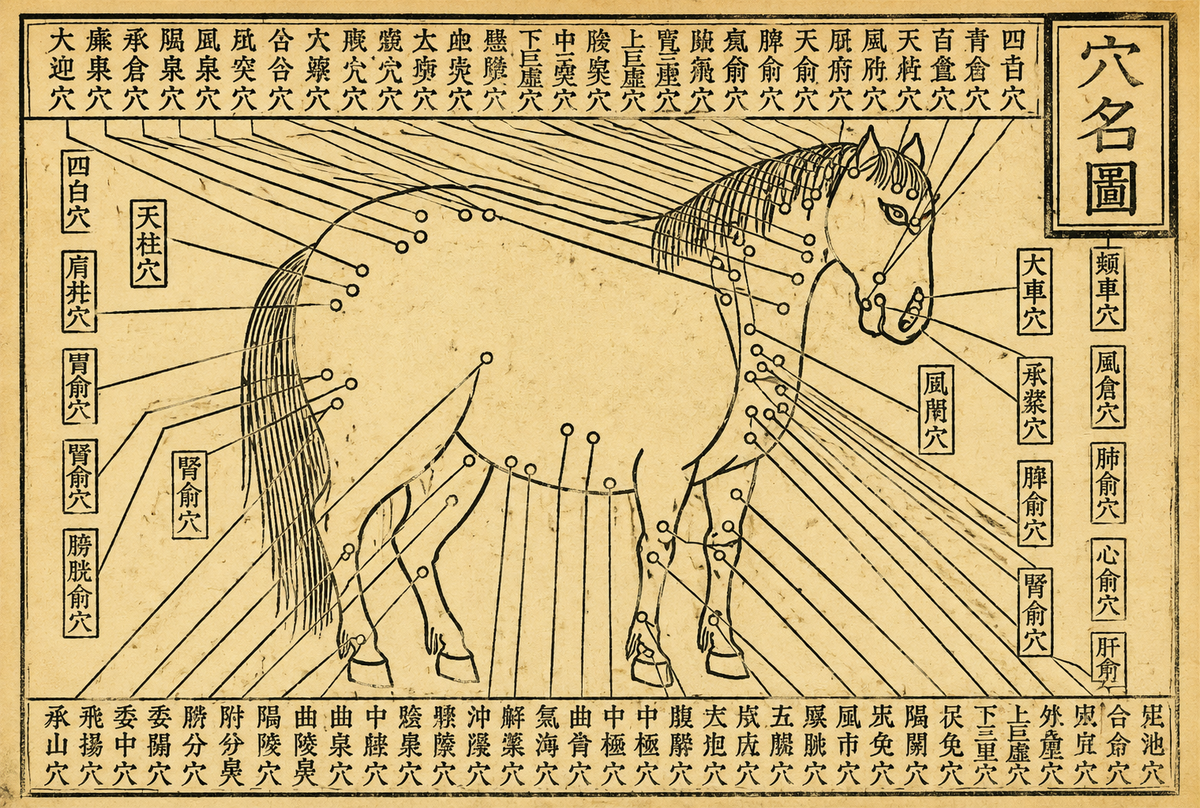
| Acupuncture’s Four-Legged History Here’s something you may not know: animals have been part of acupuncture’s history for thousands of years. Veterinary acupuncture in China dates back roughly 3,000 years. Horses were among the earliest animals treated, in part because they were incredibly important for transportation, agriculture, and warfare. Ancient practitioners developed methods of caring for these valuable working animals long before acupuncture ever became a modern wellness trend. Thousands of years later, veterinary acupuncture is still used as a complementary therapy for animals around the world. Today, race horses have acupuncture for prevention, improved athletic outcomes and for injury. |
Honoring Our Four-Legged Veterans
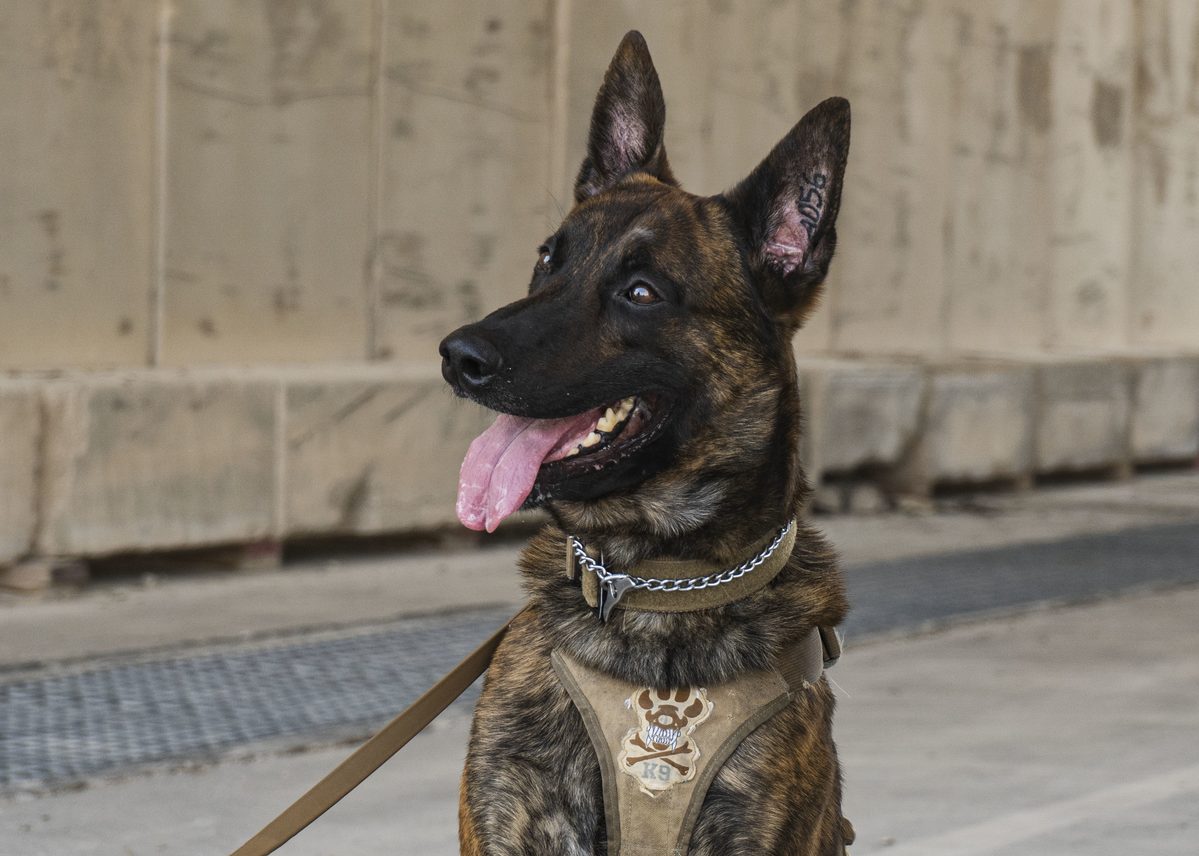
Dogs don’t just share our homes. Some spend their lives protecting and serving alongside humans.
That’s why this National Dog Month, we’d also like to recognize the Warrior Dog Foundation.
Founded by former U.S. Navy SEAL and military working dog trainer Mike Ritland, the Warrior Dog Foundation helps Military Working Dogs, Contract Working Dogs, and Law Enforcement K9s transition from service into retirement.
Many of these dogs leave their working careers with physical injuries, mental trauma, or behavioral challenges that can make traditional adoption difficult. The foundation provides individualized mental and physical rehabilitation, care, and rehoming opportunities. When adoption isn’t possible, the organization provides lifelong sanctuary and care. Before Warrior Dog Foundation, retired working dogs were euthanized.
The Warrior Dog Foundation reports that it has rehabilitated and rehomed more than 170 working K9s.
Unfortunately, at this time, our canine veterans are not eligible for VA Benefits. All funding for Warrior Dog is from private donations.
Helping Dogs Right Here in Boulder
You don’t have to look far to make a difference.
The Humane Society of Boulder Valley and Longmont Humane Society have been serving animals in our community since 1902. Each year, these organizations help thousands of animals through sheltering, adoption, veterinary services, behavioral support, pet-food assistance, and programs designed to keep pets and their people together.
Whether you donate, volunteer, foster, adopt, or simply help spread the word, there are plenty of ways to support animals right here in our community. Learn more about the Humane Society of Boulder Valley
Give your dog an extra scratch behind the ears from all of us at the Acupuncture Clinic of Boulder.