
If you’ve ever felt exhausted but somehow wide awake the moment your head hits the pillow, you’re not alone. Sleep problems and stress often feed into one another: the worse we sleep, the more frazzled we can feel and the harder it can become to settle down the next night.
Some fascinating research is helping us understand how acupuncture may affect the brain and nervous system during sleep.
A recent study looked at electroacupuncture for people experiencing chronic insomnia alongside anxiety. Participants received eight 30-minute electroacupuncture treatments over four weeks, and researchers found some particularly interesting changes:
- Improved sleep efficiency – participants spent more of their time in bed actually sleeping
- Fewer nighttime awakenings
- Increased REM sleep
- Changes in slow-wave brain activity associated with deeper, restorative sleep
- Improvements in measures of insomnia, anxiety, and mood
Electroacupuncture is a technique we sometimes use in the clinic in which acupuncture needles receive a very gentle electrical stimulation. The goal is still the same as “regular” acupuncture, to stimulate specific points on the body, but electroacupuncture (or “estim”) adds a gentle, continuous electrical current to traditional acupuncture needles to amplify stimulation
What makes this study so interesting?
Researchers weren’t only asking patients if they felt like they were sleeping better, they also used overnight brain-wave monitoring to examine how the participant’s sleep itself was changing.
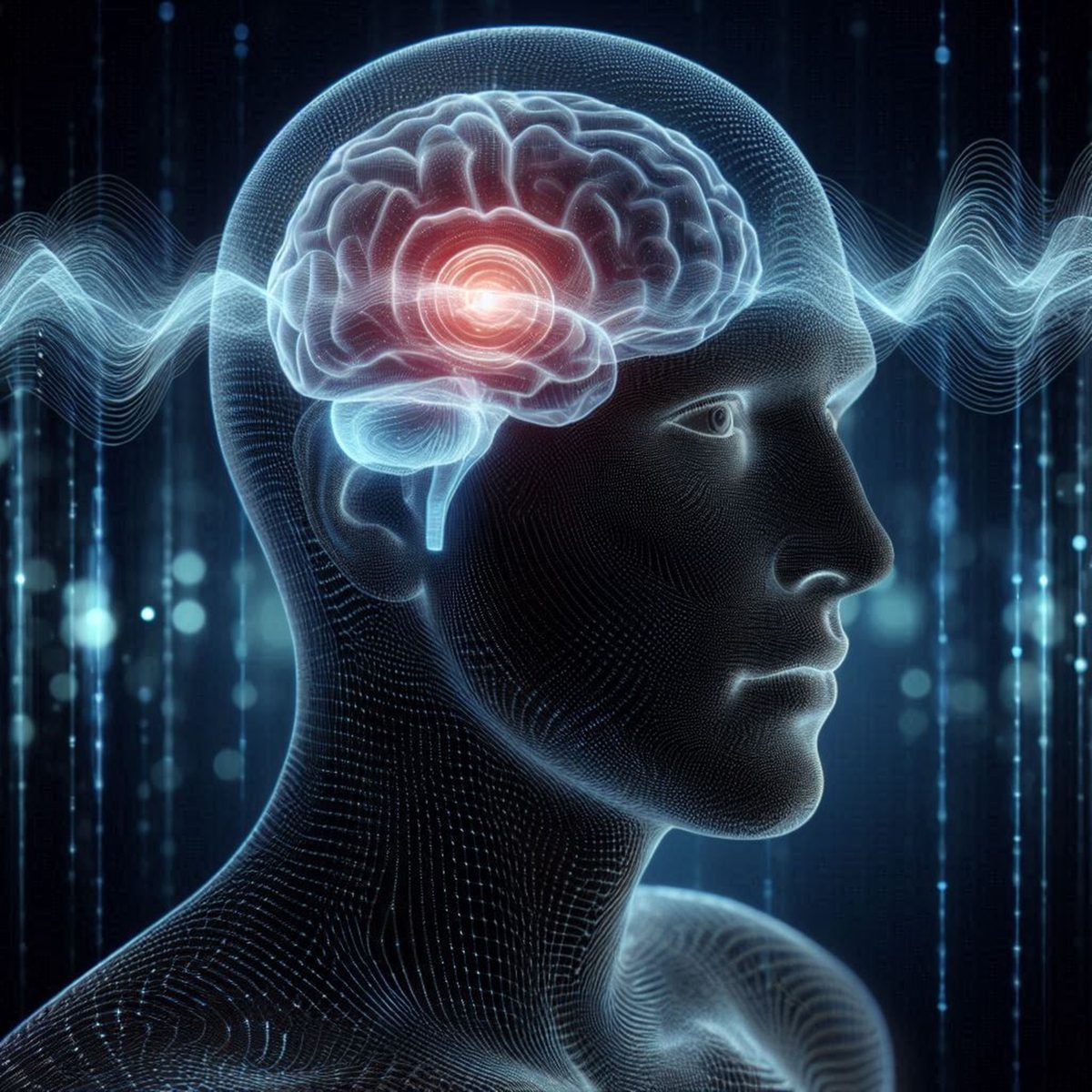
The findings suggest that electroacupuncture may influence patterns of brain activity involved in the transition between wakefulness and sleep, including the slower brain waves associated with restorative sleep.
Researchers were able to see measurable changes happening alongside the subjective improvements patients reported.
If sleep has been difficult, acupuncture may be able to help.
Sleep problems can look different for everyone. Maybe you have trouble falling asleep, wake repeatedly during the night, feel like your mind won’t shut off, or wake up feeling as though you never truly rested.
Acupuncture treatments can be tailored to your specific sleep patterns and the factors that may be contributing to them, including stress, anxiety, pain, hormonal changes, or an overactive nervous system.
Research like this is especially exciting because it supports something we often see clinically: when we help the body and nervous system settle into a more regulated state, better sleep can follow.
These findings give us an intriguing window into how acupuncture may influence the brain and nervous system.
You don’t have to accept poor sleep as your normal. If you’re having trouble falling asleep, staying asleep, or waking feeling rested, we can help. Together we’ll identify the patterns that may be contributing to your sleep difficulties and develop a personalized treatment plan to support deeper, more restorative sleep.
Sweet dreams!
Study: Rewiring the Brain’s Sleep Circuitry With Electroacupuncture
WHAT YOU NEED TO KNOW
- Insomnia, when co-occurring with anxiety and depression, creates a self-perpetuating cycle in which poor sleep worsens mood, and poor mood further disrupts sleep.
- A new study investigated the neurobiological and molecular mechanisms by which electroacupuncture (EA) breaks this cycle.
- This study provides meaningful mechanistic evidence supporting EA in patients presenting with insomnia complicated by anxiety and depression – a combination frequently encountered in clinic.
Editor’s Note: This is the latest column from the Society for Acupuncture Research. Visit the SAR online columnist page for access to previous articles.
Insomnia, when co-occurring with anxiety and depression, is one of the most clinically challenging presentations in practice, affecting approximately 27% of the global population. It creates a self-perpetuating cycle in which poor sleep worsens mood, and poor mood further disrupts sleep.
First-line pharmaceutical options – benzodiazepines and Z-drugs – offer short-term symptomatic relief but carry significant risks of tolerance, cognitive impairment and withdrawal. Cognitive behavioral therapy for insomnia (CBT-I), while the psychological gold standard, remains inaccessible to many due to cost, practitioner availability and variable adherence.
This study investigated the neurobiological and molecular mechanisms by which electroacupuncture (EA) breaks this cycle, using an innovative combination of brainwave monitoring and blood proteomics.
Study Overview
Twenty-two female patients diagnosed with primary chronic insomnia (ICSD-3 criteria) and clinically significant anxiety (HAMA score ≥14) were randomly assigned to either an EA treatment group (n=11) or a waitlist control group (n=11). All participants in the waitlist group subsequently received the same treatment after the control period, allowing for within-person comparison that eliminated confounders such as spontaneous recovery and disease progression.
EA was delivered twice weekly for four weeks (eight sessions of 30 minutes each). The acupoint prescription comprised bilateral needling at Shenmen (HT 7), Sanyinjiao (SP 6), and Taichong (LR 3), with EA applied specifically to Yintang (EX-HN 3) and Baihui (GV 20) using a continuous wave at 2 Hz, at a stimulation intensity of 2.5–5.0 mA based on individual tolerance.
Assessment was comprehensive and multimodal: validated clinical scales (PSQI, SAS, HAMA, HAMD, ISI), eight-hour polysomnography with 26-channel EEG, and serum proteomic profiling using mass spectrometry-based analysis.
Key Findings
Clinical outcomes: Following EA, patients showed highly significant improvements across all validated scales, including sleep quality (PSQI), anxiety (SAS, HAMA), depression (HAMD), and insomnia severity (ISI). Objectively, sleep efficiency improved, nocturnal awakenings reduced, and the duration and proportion of REM sleep increased. Blood biomarker analysis revealed EA increased levels of BDNF (a marker of neuronal plasticity typically diminished in insomnia) and reduced ENO2, a marker of neuronal stress and injury.
EEG brainwave changes: EA enhanced slow-wave activity (delta, theta and alpha bands) during NREM sleep, most notably in the frontal and temporal lobes – regions central to emotional regulation and memory consolidation. At the same time, EA suppressed high-frequency oscillations (beta and gamma bands) in frontal regions, reversing the pathological neural hyperactivity characteristic of insomnia with anxiety and depression.
Proteomic findings: Analysis identified 90 differentially expressed proteins specifically attributable to EA treatment. Key proteins downregulated by EA (ATP5PD and RRM2) are associated with reduced neuronal excitation. PRKACA was upregulated, helping to restore neurotransmitter balance (particularly GABAergic and serotonergic pathways), while FN1 and IDE were elevated, supporting synaptic plasticity and the clearance of neurotoxic substances.
Critically, proteins including UQCRQ and ATP6V0D1 showed significant positive correlations with slow-wave EEG activity across multiple brain regions, directly linking the molecular and neurophysiological effects of EA.
Clinical Relevance for Acupuncture Practitioners
This study provides meaningful mechanistic evidence supporting EA in patients presenting with insomnia complicated by anxiety and depression – a combination frequently encountered in clinic. Importantly, the improvements span subjective sleep quality, mood and objective sleep architecture, suggesting EA addresses underlying neurophysiological dysregulation rather than masking symptoms. This lends biological plausibility to the classical rationale for the prescription used, linking HT 7, SP 6, LR 3, EX-HN 3, and GV 20 to measurable rebalancing of GABAergic and serotonergic activity in the brain regions governing sleep and emotional regulation.
Conclusion
This multimodal study – encompassing clinical outcomes, EEG brainwave analysis and serum proteomics – provides compelling evidence that EA does not simply improve sleep scores in isolation, but actively rewires the brain’s sleep-wake circuitry while restoring molecular balance at the protein level.
By simultaneously upregulating neuroprotective proteins, rebalancing key neurotransmitter pathways, and synchronizing slow-wave activity in regions governing emotion and cognition, EA offers a scientifically grounded mechanism for breaking the vicious cycle of insomnia, anxiety, and depression. For clinicians, this reinforces EA as a credible, multi-target therapeutic option for one of the most complex and prevalent presentations in contemporary acupuncture practice.
Reference
- Lin L, Zhao Y, Yang Y, et al. Electroacupuncture ameliorates insomnia with anxiety and depression via modulating slow-wave oscillation, neurotransmitter pathways, and complement system: insights from EEG and proteomics. J Affect Disord, 4 March 2026;405:121560.
Author
Dr. Simone Ormsby has an Honours Degree in Molecular Biology/Genetics; a Bachelor of Health Science in Chinese Medicine (acupuncture); and a Higher Degree by Research PhD. She is a postdoctoral…
See full bio
Author
Sandro Graca is a member of the SAR Board of Directors; a doctoral researcher at the Faculty of Education, Health and Wellbeing, University of Wolverhampton, University of Wolverhampton, U.K.,…
See full bio