Updated September 22, 2026
Low back pain can affect nearly every part of daily life. Sitting at a desk, getting out of bed, exercising, picking up your children, gardening, traveling, or simply sleeping comfortably can become difficult when your back hurts.
At the Acupuncture Clinic of Boulder, we see patients with many different types of back pain, from a sudden muscle strain after a weekend adventure to persistent pain that has been present for months or years.
The good news is that back pain does not always require a single approach. Depending on what is contributing to your symptoms, acupuncture, dry needling, Tuina Chinese medical massage, movement, and conventional medical care may all have a role.
Our goal is not simply to treat the location where you hurt. We want to understand why your back is hurting, how it is affecting your life, and which treatment approach makes the most sense for you.
Why Does Low Back Pain Happen?
Low back pain is not one single condition.
It can develop after an obvious injury, but it can also appear gradually without a clear moment when something went wrong.
Common contributors may include:
- Muscle strain or overuse
- Prolonged sitting
- Repetitive movements
- Sports and exercise injuries
- Reduced mobility
- Arthritis and age-related changes
- Disc-related problems
- Sciatic nerve irritation
- Previous injuries
- Changes in strength or movement patterns
- Physical and emotional stress
Sometimes imaging reveals structural changes such as disc degeneration or arthritis. Other times, an MRI or X-ray does not completely explain the amount of pain someone is experiencing.
That is one reason we believe treatment should be individualized rather than based solely on a diagnosis or imaging report.
Can Acupuncture Help Low Back Pain?
Acupuncture has become an increasingly recognized non-drug treatment option for low back pain.
During acupuncture treatment, very thin sterile needles are placed at carefully selected points. Treatment may include points near the painful area as well as points elsewhere on the body.
Modern research suggests acupuncture may influence several processes involved in pain, including nervous-system signaling and the body’s own pain-modulating mechanisms.
Research does not suggest that acupuncture is a cure for every type of back pain. However, evidence indicates that it may help some people with both acute and chronic low back pain, particularly as part of a broader treatment plan.
The National Center for Complementary and Integrative Health reports that research has found acupuncture may be helpful for back pain. Clinical guidelines from the American College of Physicians have also included acupuncture among the non-drug treatment options for low back pain.
For us, the important question is not simply, “Does acupuncture work for back pain?”
It is:
“Is acupuncture an appropriate treatment for this person’s particular back pain?”
What Does Acupuncture for Back Pain Feel Like?
Many people are surprised by how comfortable acupuncture can be.
Acupuncture needles are extremely thin and are very different from the hollow needles used for injections or blood draws.
Some patients barely feel insertion. Others notice a brief sensation followed by heaviness, warmth, tingling, or a dull ache around an acupuncture point.
Once the needles are placed, patients generally rest comfortably during treatment.
Your treatment may also include other techniques depending on your symptoms and examination.
Acupuncture vs. Dry Needling for Back Pain
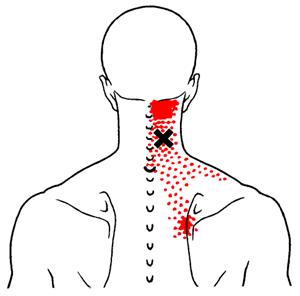
We are frequently asked about the difference between acupuncture and dry needling.
Although both techniques use thin needles, the treatment strategies can be different.
Traditional acupuncture may use a combination of local and distal acupuncture points and considers the patient’s overall presentation in developing a treatment plan.
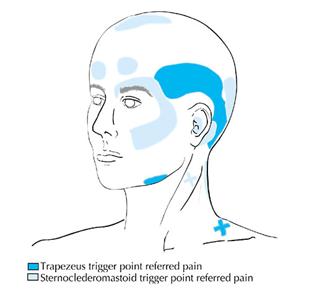
Dry needling (or neurofunctional acupuncture) generally focuses more directly on muscles and areas of myofascial tension that may be contributing to pain and restricted movement.
For example, someone whose low back pain is associated with significant muscular tightness may benefit from a different approach than someone with chronic back pain accompanied by poor sleep, stress, headaches, or other symptoms.
Because we offer both acupuncture and dry needling, treatment does not have to be an either-or decision. When appropriate, techniques may be incorporated according to the patient’s individual needs.
What About Tuina Chinese Medical Massage?
Tuina is another treatment option available at the Acupuncture Clinic of Boulder.
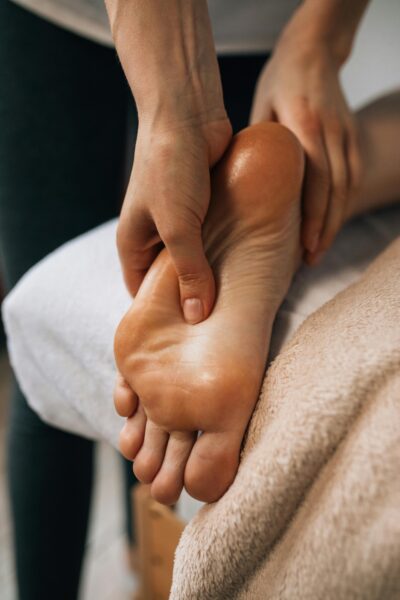
Tuina, pronounced roughly “twee-nah,” is a form of Chinese medical massage and therapeutic bodywork. It may incorporate techniques such as pressing, kneading, rolling, stretching, and movement.
For patients with muscular tightness, stiffness, or musculoskeletal pain, Tuina can offer a hands-on approach to treatment.
Some patients come to us specifically looking for massage or bodywork and discover that Tuina is a good fit. Others receive Tuina as part of a broader treatment plan that may also include acupuncture.
The advantage of having several treatment approaches available is that we can consider the person in front of us rather than trying to make every back-pain patient fit into the same treatment.
Cupping for Low Back Pain
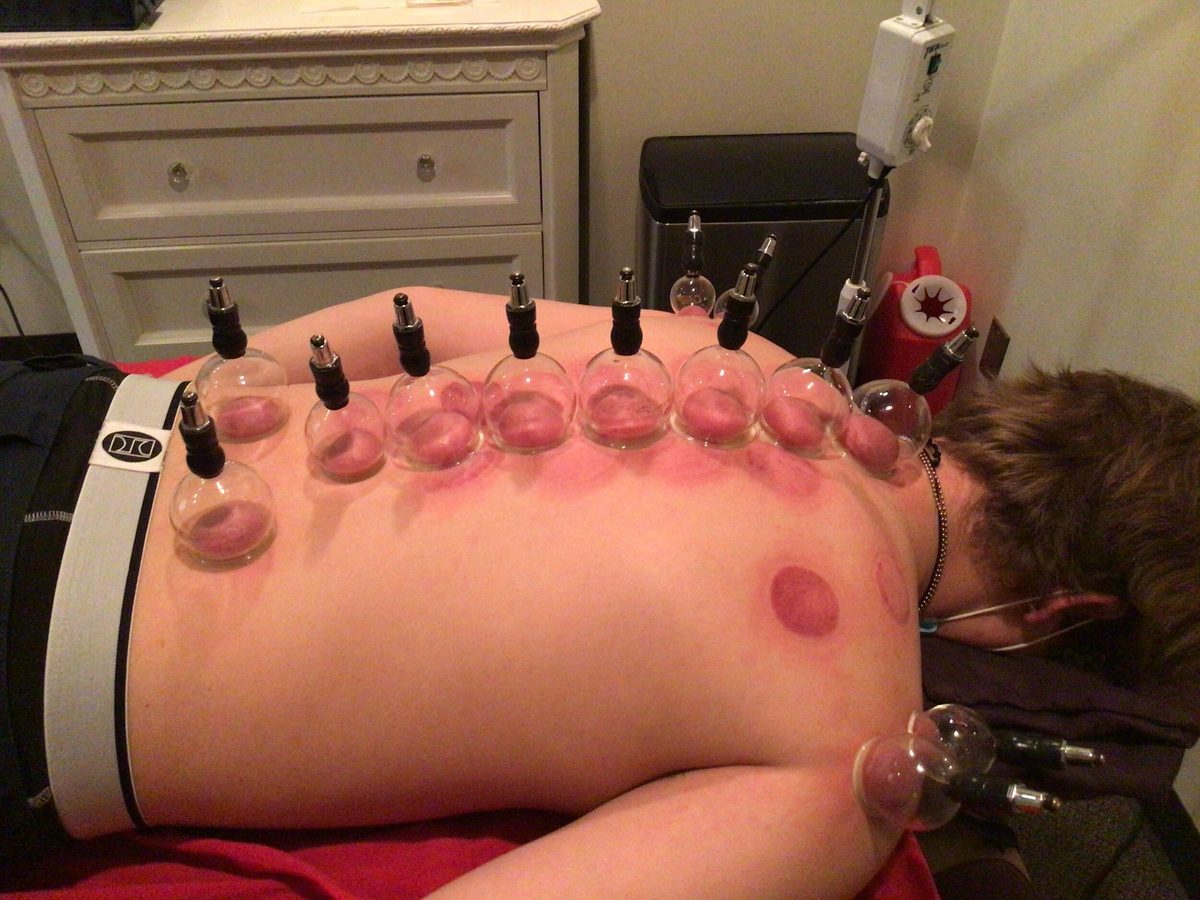
Cupping is another treatment we may use for patients with low back pain, muscle tightness, and restricted movement. During cupping therapy, specialized cups are placed on the skin to create gentle suction. Unlike massage, which primarily applies pressure downward into the tissues, cupping creates a lifting or decompressive effect on the skin and superficial tissues.
For people with muscular low back pain, cupping may be used to address areas of tension and stiffness and can be combined with acupuncture, dry needling, or Tuina Chinese medical massage as part of an individualized treatment. Some patients find cupping particularly relaxing when their back feels tight, overworked, or difficult to move comfortably.
Cupping often leaves temporary circular marks on the skin. These marks are not usually painful and typically fade over several days. We adjust the intensity and duration of treatment based on your comfort, health history, and the condition being treated.
At the Acupuncture Clinic of Boulder, we don’t assume that every patient with back pain needs the same combination of therapies. Cupping for low back pain may be appropriate for some patients, while acupuncture, dry needling, Tuina, exercise, or other forms of care may be a better fit for others. Your treatment plan is based on your symptoms, examination, goals, and response to care.
Acute vs. Chronic Low Back Pain
How long you have had back pain matters.
Acute low back pain generally refers to pain that has been present for less than four weeks.
Subacute back pain generally lasts between four and twelve weeks.
Chronic low back pain persists for twelve weeks or longer.
A patient who hurt their back three days ago lifting something heavy may need a very different treatment plan from someone who has experienced intermittent back pain for ten years.
Many episodes of acute low back pain improve with time. Treatment may focus on managing symptoms and helping someone return comfortably to normal activity.
Chronic pain can be more complicated. Sleep, stress, activity levels, previous injuries, fear of movement, work demands, and other factors can all influence the pain experience.
The World Health Organization recommends a person-centered approach to chronic primary low back pain and notes that people may benefit from a combination of interventions rather than relying on a single treatment alone.
We agree.
How Many Acupuncture Treatments Will I Need?
There is no responsible answer that applies to everyone.
Some people notice meaningful changes quickly. Others need a series of treatments before improvement becomes apparent.
The appropriate frequency and number of visits can depend on:
- How long you have had the problem
- The severity of your symptoms
- Whether the pain is constant or intermittent
- The underlying condition
- Your activity level
- Previous injuries
- Other treatments you are receiving
- How your body responds to the first few treatments
Rather than promising that back pain will disappear within a predetermined number of visits, we monitor how you respond and adjust your treatment plan accordingly.
We want to see measurable progress.
That might mean less pain, improved range of motion, sleeping more comfortably, being able to sit longer, returning to exercise, or simply being able to do the activities that matter to you again.
Acupuncture Can Be Part of a Larger Treatment Plan
Acupuncture does not need to replace conventional medical care.
In many cases, the most appropriate approach to back pain involves collaboration.
Depending on the situation, patients may also work with physicians, physical therapists, chiropractors, massage therapists, orthopedic specialists, trainers, or other health professionals.
Exercise and appropriate movement can also be important components of managing many forms of back pain.
We believe good healthcare means recognizing when acupuncture is appropriate—and recognizing when another provider or diagnostic evaluation is needed.
When Should Back Pain Be Medically Evaluated?
Most low back pain is not caused by a dangerous condition, but some symptoms warrant prompt medical evaluation.
Seek medical care if back pain is associated with symptoms such as:
- New bowel or bladder dysfunction
- Numbness in the groin or saddle area
- Significant or progressive leg weakness
- Fever or signs of infection
- A significant fall, accident, or other trauma
- Unexplained weight loss
- A history of cancer with new or unexplained back pain
- Severe pain that is rapidly worsening or otherwise concerning
If we believe your symptoms need further medical evaluation, we will tell you.
Acupuncture should complement appropriate medical care, not delay it.
What Does Research Say About Acupuncture for Low Back Pain?
Acupuncture for low back pain has been studied extensively, although—as with many pain treatments—the research is not perfectly uniform.
The National Center for Complementary and Integrative Health reports evidence suggesting acupuncture may be helpful for back pain.
The American College of Physicians has included acupuncture among non-drug treatment options for both acute/subacute and chronic low back pain.
This distinction is important.
Research supports considering acupuncture as a treatment option. It does not mean every patient will respond, nor does it mean acupuncture should replace every other form of care.
That is why we prefer evidence-informed, individualized treatment rather than promises.
Treating Low Back Pain at the Acupuncture Clinic of Boulder
Back pain is one of the conditions we commonly see in our Boulder acupuncture clinic.
Depending on your presentation, your treatment may include:
Acupuncture to address pain and support your overall treatment plan.
Dry needling when muscular or myofascial components appear to be contributing to your symptoms.
Tuina Chinese medical massage for hands-on therapeutic bodywork.
Cupping or other techniques when appropriate for the individual patient.
Most importantly, your treatment should be based on you, not simply on the words “low back pain” written on a chart.
Looking for Acupuncture for Low Back Pain in Boulder?
If back pain is keeping you from hiking, exercising, working, sleeping comfortably, traveling, gardening, or simply moving through your day without thinking about your back, we would be happy to meet you.
At the Acupuncture Clinic of Boulder, we offer acupuncture and complementary treatment options for acute and chronic musculoskeletal pain.
We can help you determine whether acupuncture, dry needling, Tuina Chinese medical massage, or a combination of approaches may be appropriate for you.
Schedule an appointment with the Acupuncture Clinic of Boulder and let us help you find a treatment approach that fits your individual needs.
References
National Center for Complementary and Integrative Health. Acupuncture: Effectiveness and Safety.
National Center for Complementary and Integrative Health. Low-Back Pain and Complementary Health Approaches: What You Need to Know.
American College of Physicians. Noninvasive Treatments for Acute, Subacute, and Chronic Low Back Pain: A Clinical Practice Guideline.
World Health Organization. WHO Guideline for Non-Surgical Management of Chronic Primary Low Back Pain in Adults in Primary and Community Care Settings.